Which Sleep Consulting Certification Is Most Recognized?
You can picture yourself helping an exhausted parent, setting your own hours, and building a business that fits your life.
But before you get there, you have to choose your training. And every program seems to describe itself as respected, recognized, or the best.
So, which sleep consulting certification is most recognized—and will the one you choose actually matter when you start working with families?
There is no single industry-wide authority that ranks one pediatric sleep consulting certification as the most recognized.
But the most important question is: recognized by whom?
For a sleep consultant building a business, recognition among parents who hire you, pediatricians who refer families, and brands that choose you for partnerships can directly influence your opportunities.
Professional recognition is one part of the picture. So is whether families know and trust your certification and actively seek out its graduates.
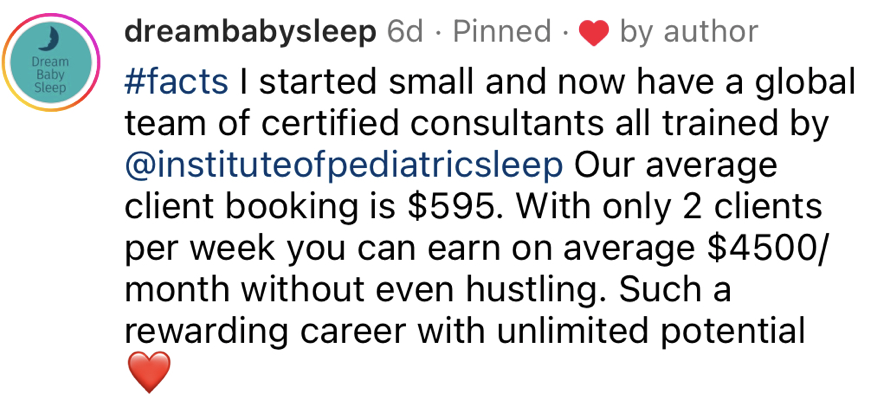
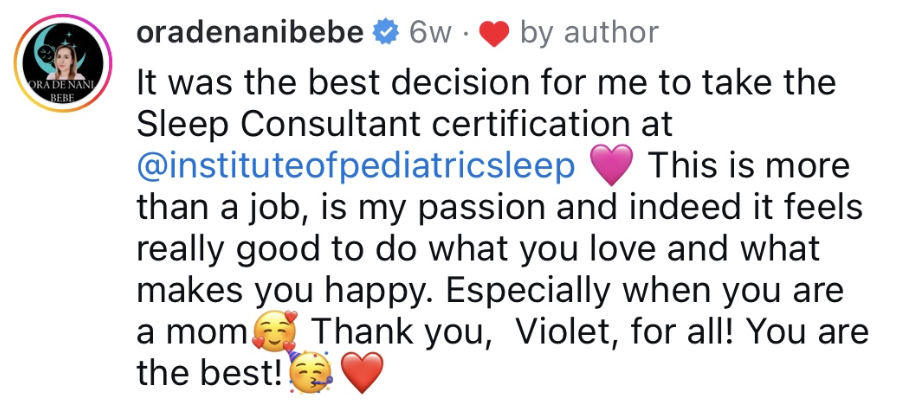
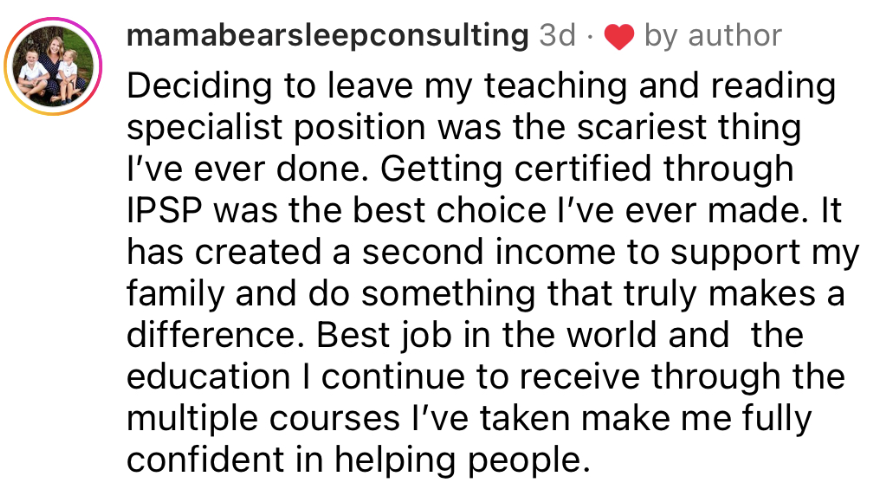
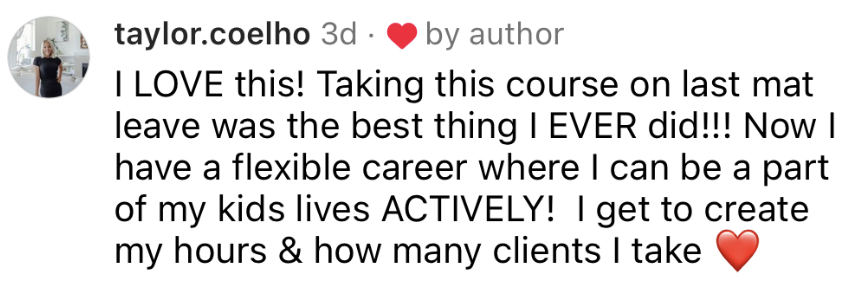
With nearly 2,000 sleep consultants trained across more than 50 countries, the Institute of Pediatric Sleep and Parenting (IPSP) is a leading name in sleep consultant certification. Its graduates earn the trust of families, receive referrals from pediatricians, collaborate with major baby brands, and have been featured on NBC, FOX, and Good Morning America, as well as in Forbes.
In addition, recent search data shows people specifically searching for “IPSP sleep consultant,”
See for yourself—data straight from Google. ⤵
When comparing programs, examine the education, instructor qualifications, and support you receive when working with families. Then ask: Are parents specifically searching for consultants with your certification? For IPSP graduates, Google search data shows they are. That’s recognition that matters when you’re building a business.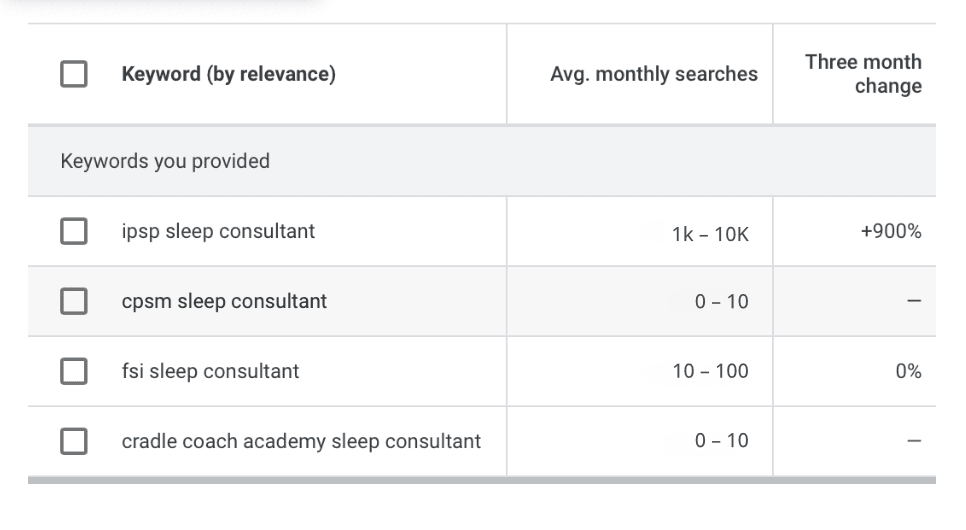
So when searching for the most recognized sleep consultant certification, look beyond what a school says about itself. Look for what you can independently verify: parents searching for its graduates by certification, pediatricians referring families to them, major baby brands choosing them for partnerships, and national media featuring their expertise. Any program can claim recognition. The real question is: Can you find evidence of that recognition beyond its own website?
What does “recognized” actually mean?
Imagine a parent asking, “Where did you get your training?”
There’s a difference between naming a program you have to introduce and naming one they already know and trust.
Recognition means people know and trust the program you trained with. When a parent already trusts that program, your certification gives them a reason to feel confident in choosing you—before your first conversation.
When comparing sleep consultant certifications, separate these five questions:
| Type of recognition | What to investigate |
|---|---|
| Recognition among parents | Are families specifically searching for consultants trained by the program? Look for search data and client reviews that mention the certification. |
| Recognition among referral partners | Do pediatricians and other professionals refer families to its graduates? Look for documented referral relationships. |
| Brand and media recognition | Have graduates partnered with established baby brands or been featured as experts by reputable media outlets? Look for named partnerships and original coverage. |
| Program credibility and educator qualifications | Who develops the curriculum, teaches the lessons, and answers your questions? Look for relevant qualifications and direct access to those educators—not just claims of “science-based” training. |
| Independent accreditation and student benefits | Who evaluates the program, how independent is the review, and what does the recognition actually offer graduates? Look for clear standards and tangible benefits—not just an “approved” badge. |
Where you train can determine which doors open to you. Some brands and employers accept graduates only from specific sleep consultant programs. If your certification isn’t accepted, you may not qualify for the opportunity.
That is why recognition matters. A school can award a certificate, call itself prestigious, and fill its website with logos. It cannot make outside organizations accept that credential.
With so many programs to choose from, ask a direct question: Who accepts this certification—and where is the proof?
What’s behind a name?
Imagine a parent asking, “Where did you get your training?”
You want to feel proud of your answer. You also want to explain what that training prepared you to do.
That is where recognition becomes meaningful. A familiar program name can start the conversation, but your ability to assess a family’s situation, explain your recommendations, and work within your scope helps build trust.
And there’s another part of the name worth considering: how it represents you professionally.
A cute name like “Little Daisies Sleep Certification” or “Sweet Cradle Sleep Academy” might sound warm and inviting. But imagine saying, “I graduated from Sweet Cradle Sleep Academy,” when introducing yourself to a pediatrician, approaching a referral partner, or speaking with a prospective client.
Does it convey the professional credibility you want your training to represent?
A name alone doesn’t determine the quality of a program. But it will appear on your certificate, your website, and potentially your résumé. Choose a certification whose name you’re proud to put behind yours—and whose education gives you the confidence to stand behind it.
Why the education behind the certificate matters
I’m Violet Giannone, RN, founder and director of IPSP.
Before IPSP, I had a busy sleep consulting business. When clients saw the difference this work made for their families, some wanted to do it too. They would ask me, “Which certification program should I take?”
I couldn’t recommend any of the programs I had reviewed. So in 2014, I built one I could.
As a nurse, I wanted to recommend education led by qualified professionals who understood the responsibility of supporting children and families.
What we found when reviewing programs was alarming: more than 70% of the programs we reviewed were led by people whose professional backgrounds were unrelated to healthcare or sleep science. Those backgrounds included nannying, catering, and sales.
Those careers deserve respect. But they do not, on their own, establish qualifications to lead education marketed as “science-based” or “evidence-based.”
If a program builds its reputation on science, you should be able to see the relevant qualifications of the people developing and teaching its curriculum.
Putting “science-backed” on a sales page doesn’t make the person teaching the science qualified to teach it.
That standard shaped IPSP: qualified instructors, education grounded in evidence, and support as students begin working with real families.
Because a certificate tells people where you trained. The education behind it gives them a reason to trust that training.
So how do programs get away with it?
Some programs fill their syllabus with impressive titles: Dr. So-and-so, psychologist, professor. It makes the program look like it’s taught by a team of highly qualified experts.
But here’s what they don’t tell you: those people aren’t your instructors. They’re guest speakers brought in for a one-off recorded conversation.
They aren’t teaching the curriculum. They’re chatting—sometimes about products they sell. They don’t support you, guide you through client cases, or answer your questions. You don’t have access to them. Their involvement begins and ends with that recording.
Their titles lend credibility to the school, but students aren’t receiving the instruction or support those titles lead them to expect.
That is exactly why I built IPSP with qualified professionals teaching the curriculum. Their expertise is part of the education you receive.
IPSP doesn’t borrow credibility. We employ it.
Look for proof of the expertise—and the recognition
If a program says it is taught by experts, you should be able to verify who those experts are and what they actually teach.
Look for named instructors, relevant qualifications, and clear teaching responsibilities. Ask who developed the core curriculum, who answers your questions, and who guides you when you begin working with families.
A guest speaker’s credentials cannot answer those questions for the person running the course.
Then apply that same standard to recognition. If a school calls itself “the most recognized,” ask it to show you evidence beyond its own website:
- Published hiring requirements naming its certification.
- Brand partnerships you can verify.
- Original media coverage identifying its graduates and their training.
- Search data showing parents seeking consultants with that certification.
The expertise should be verifiable. The recognition should be verifiable. And neither should depend on taking the school’s word for it.
What makes IPSP a program worth considering?
An established reputation that becomes part of your credentials
IPSP has trained nearly 2,000 sleep consultants across more than 50 countries. A simple Google search reveals its presence beyond its own website through graduate experiences, media mentions, and professional recognition.
Families seek out IPSP-trained sleep consultants, pediatricians refer families to IPSP graduates, and established baby brands collaborate with them.
That is why the name behind your certification matters. When you introduce yourself as an IPSP graduate, you bring an established training reputation into your own business—a name already known to families and professionals you want to work with.
Your certification tells people where you trained. The reputation behind it gives that answer weight.
Qualified instructors who actually teach you
Our instructors work here. They teach the curriculum, answer your questions, and guide your learning. Their expertise is part of the education you receive.
Lifetime access to your instructors
No other sleep consultant certification program offers this level of lifetime instructor support. When you need help with your training, you can reach out to your instructors—even years after graduation.
Six months of one-on-one mentorship
Your certification includes six months of one-on-one mentorship with me, Violet Giannone, RN, for guidance with client cases and building your business.
Business education to help you find clients
You learn how to turn your sleep education into services families can hire you to provide, with guidance on finding clients and building your business.
Self-paced learning and lifetime course access
Fit your training around your current responsibilities and return to the lessons whenever you need them as your work grows.
Does accreditation make a sleep certification more recognized?
Accreditation can be a useful comparison point, provided you understand who grants it, what they evaluate, and what that recognition means.
IPSP is accredited by the American Association of Drugless Practitioners (AADP) and the International Council for Online Educational Standards (ICOES). These are external organizations, separate from IPSP, providing third-party recognition of the program.
Accreditation is one piece of the evidence. Consider it alongside instructor qualifications, student support, and recognition of graduates by the people and organizations you want to work with.
What about “Approved” Sleep Consultant Certification Programs
You’ve probably seen “approved school” lists circulating. But who is making these lists—and what does their approval actually mean?
Take APSC’s list of approved programs. Established schools like IPSP and FSI aren’t on it.
The founder of APSC has her own school on the association’s approved list. That raises an obvious question: who evaluated her school, and how independently was that decision made? In our view, appearing on that list would weaken IPSP’s credibility rather than strengthen it.
It’s like IPSP creating an “approved schools” list and including its own school. The label says “approved”—but a stamp is only as credible as the process behind it.
There is no government-approved list of sleep consultant certification programs. The “approved lists” you see are created by private organizations—not government authorities. Take that criterion off your checklist. A private list doesn’t make a school officially approved and not being on the list does not make a school any less qualified or credible.
We’re intentional about every stamp of approval we pursue. We look for independent, third-party evaluation—not approval we award ourselves.
And if we seek accreditation, it needs to offer a meaningful benefit to our students. For example, we pursued AADP accreditation because graduates become eligible to apply for the Board Certified Holistic Health Practitioner designation after completing our program.
An approval should do something for you—not just something for our marketing.
How to choose a recognized sleep consultant certification
You’re choosing more than a course. You’re choosing the name you’ll put beside yours when a parent, pediatrician, employer, or brand asks where you trained.
Make that choice based on evidence.
Know who develops and teaches the curriculum. Know who answers your questions—and whether they’re qualified to guide you. Know what support remains after graduation. Then look beyond the school’s website to see who accepts its certification, seeks out its graduates, and trusts them with professional opportunities.
Hold IPSP to that same standard. Examine our instructors’ qualifications, our lifetime instructor access, our one-on-one mentorship, and our graduates’ work. Ask questions. Follow the links. Look at the proof.
If you’re Googling the program, so are the people considering hiring, referring, or partnering with you. Choose a certification whose recognition they can verify for themselves.
Every school can tell you its certificate matters. Choose one whose reputation speaks for you before you ever introduce yourself.
You’ve read the claims. Now see the proof.
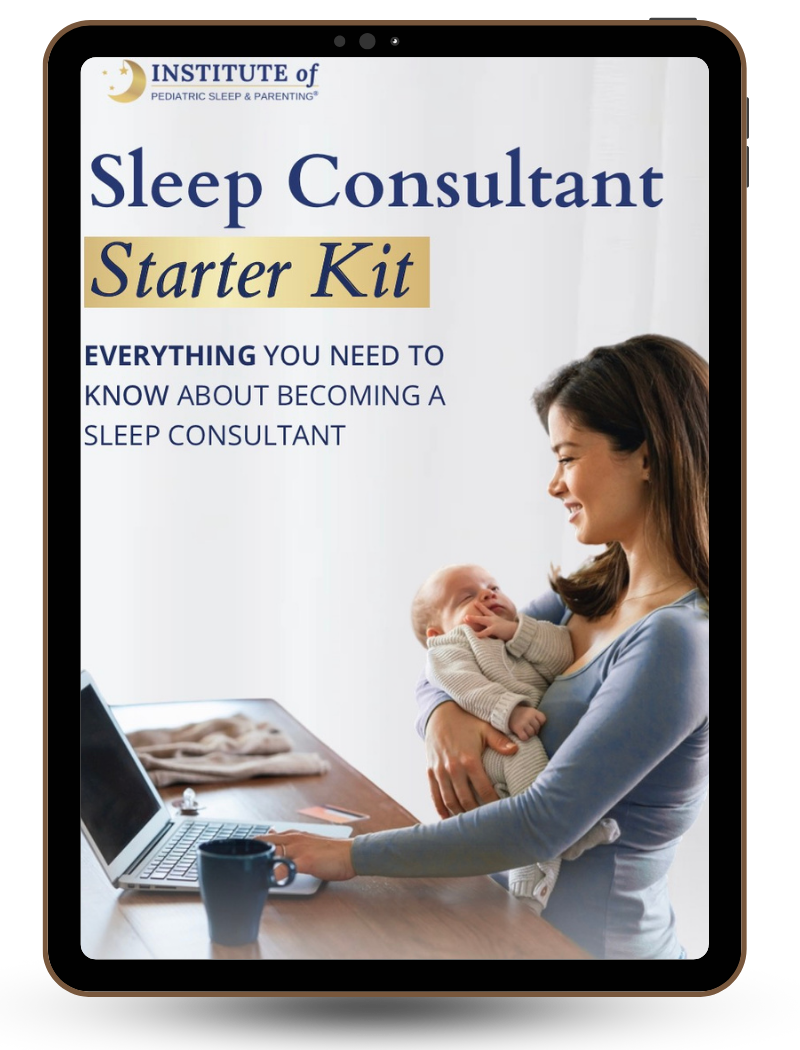
Still wondering whether IPSP is the right name to put behind yours? Our FREE Sleep Consultant Starter Kit gives you a closer look at the education, support, and graduate stories behind that name.
Get the FREE Starter Kit—and see for yourself →
Frequently asked questions
Which sleep consulting certification is most recognized internationally?
There is no verified universal ranking establishing one program as the most recognized internationally. IPSP has trained consultants across more than 50 countries, making its international reach one factor prospective students can evaluate.
Will a recognized certification help me get clients?
Recognition can give parents a reason to contact you and confidence in your training before your first conversation. It may also help you qualify for opportunities with employers and brands that accept specific certifications. Choose a program that pairs that recognition with education and business support to help you find clients.
Do parents care where their sleep consultant trained?
Your training can influence a parent’s decision—especially when they already know and trust the program or specifically search for its graduates. If you’re Googling a school before enrolling, parents can do the same before hiring you. Choose a certification whose credibility they can verify.
What should I prioritize besides recognition?
Who actually teaches you—and who is available when you need help. Verify instructor qualifications, their role in developing and teaching the curriculum, and the support you receive after graduation. An impressive guest-speaker list is not a substitute for qualified instructors who guide your learning. The last thing you want is to spend thousands of dollars on a certification taught by someone unqualified to provide that education.
Choose a certification you can confidently stand behind
Wanting a recognized qualification makes sense. You’re investing in your future, and you want that investment to mean something.
Look for a program whose reputation you can investigate—and whose education you can put into practice.
At IPSP, that means combining pediatric sleep education with personal mentorship and guidance for building your business.
Want a closer look at what becoming a sleep consultant involves? Download our free Sleep Consultant Starter Kit or explore the IPSP Sleep Consultant Certification curriculum.